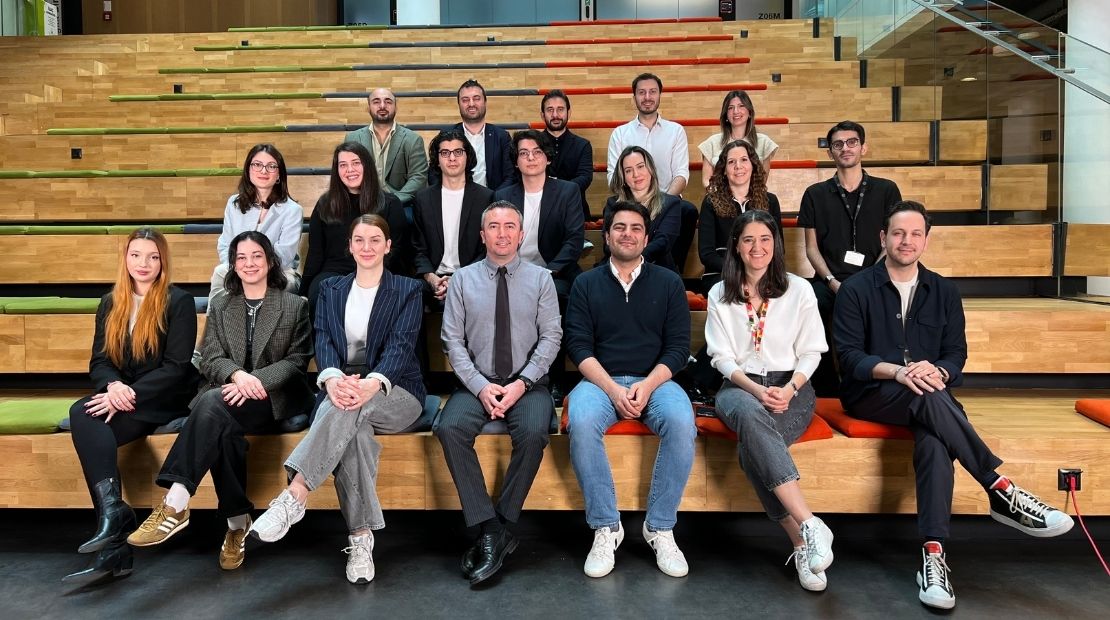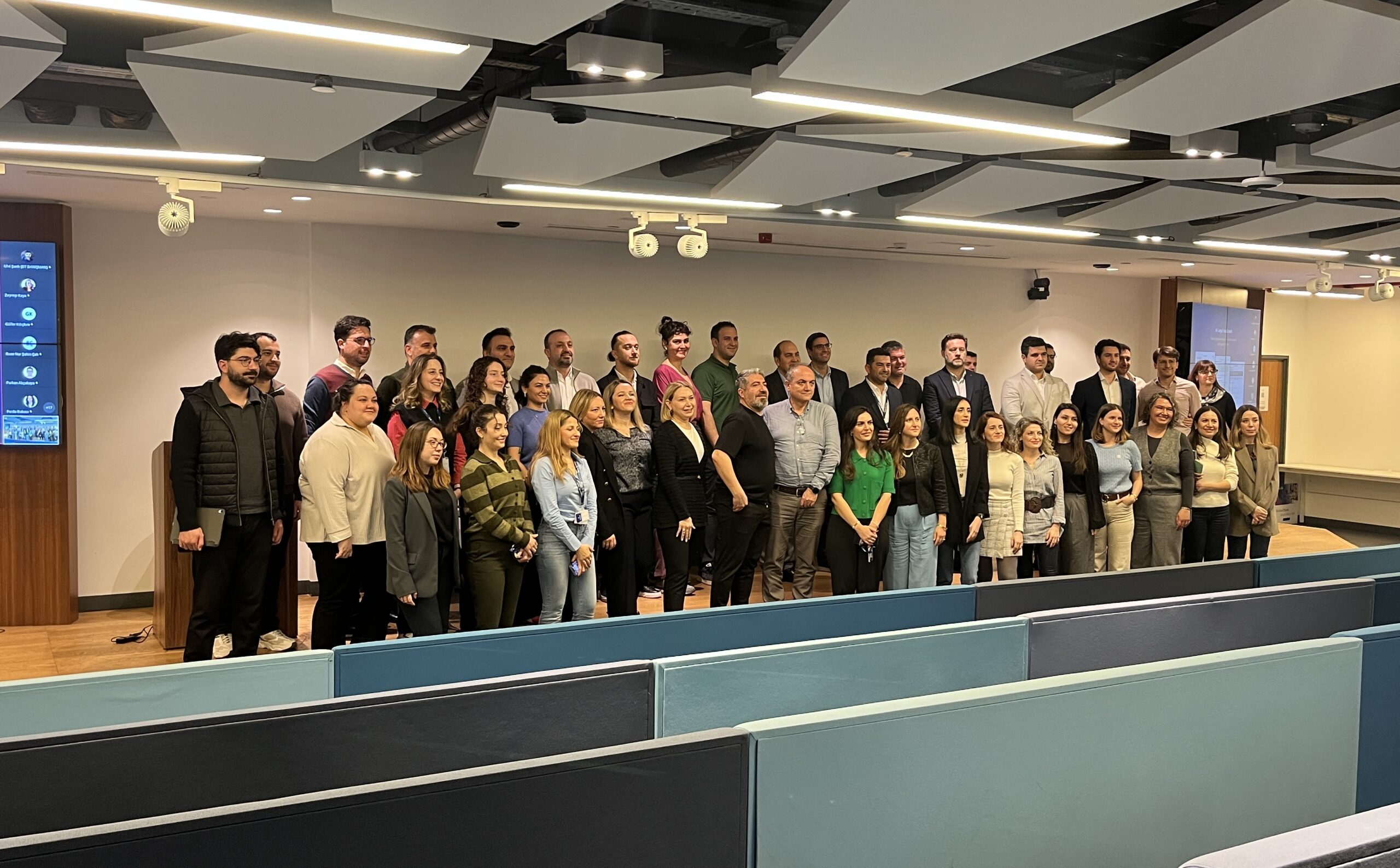
HackZone by Allianz 2026 Kicks Off: Meet the New Cohort













Two Hackathons, One Journey: Wrapping Up IDDA Hackathon Series
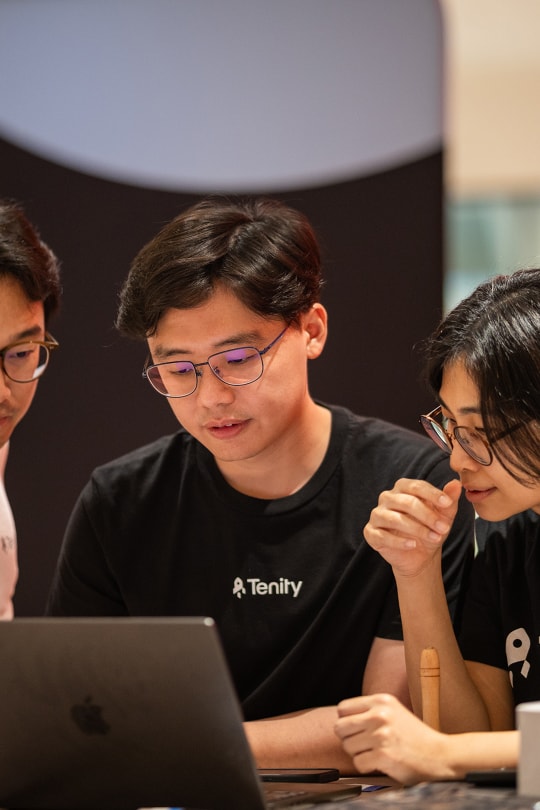
Co-organized by the Innovation and Digital Development Agency (IDDA) and Tenity, the IDDA Hackathon series was designed to create hands-on startup experiences for students, developers, designers, and early-stage founders across Azerbaijan. The goal was simple: bring people together, challenge them with real fintech problems, and give them 48 hours to turn ideas into working prototypes.

Somewhere between the first kickoff session and the final Demo Day pitch, the IDDA Hackathon journey flew by. Two fast-paced weekends, countless ideas, and a lot of late-night building later, we’re taking a moment to look back at what IDDA Hackathon 1 and IDDA Hackathon 2 brought to life; the people, the progress, and the momentum that built along the way. And just as importantly, where this momentum is heading next.
Co-organized by the Innovation and Digital Development Agency (IDDA) and Tenity, the IDDA Hackathon series was designed to create hands-on startup experiences for students, developers, designers, and early-stage founders across Azerbaijan. The goal was simple: bring people together, challenge them with real fintech problems, and give them 48 hours to turn ideas into working prototypes.
Hosted at Holberton School Azerbaijan and AIM Innovation Center, both editions created an environment where learning happened by doing — quickly, collaboratively, and under real pressure.
From First Ideas to Stronger Execution
IDDA Hackathon 1 marked the starting point.
For many participants, it was their first exposure to the hackathon format — forming teams on the spot, validating ideas quickly, and presenting a solution after just two days. The focus was on exploration, experimentation, and understanding what it takes to move from an idea to an MVP.
When IDDA Hackathon 2 came around, the shift was noticeable.
Teams arrived more confident, problem statements were sharper, and execution moved faster from the very beginning. Participants built on lessons learned from the first edition, showing clearer product logic, more structured prototypes, and stronger storytelling during Demo Day.
Together, the two hackathons highlighted how quickly teams can grow when given the right structure and space to experiment.
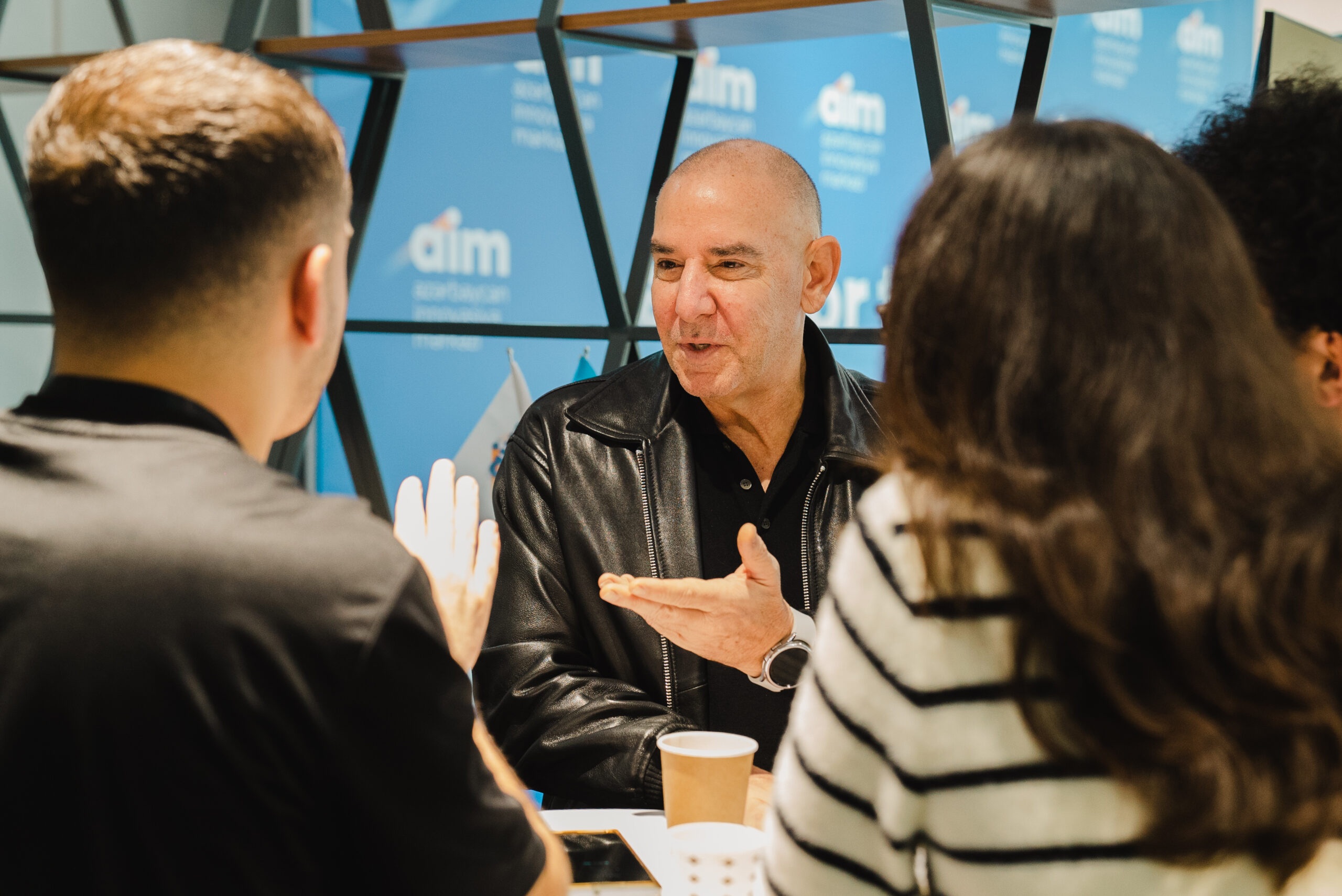
Mentorship That Moved Teams Forward
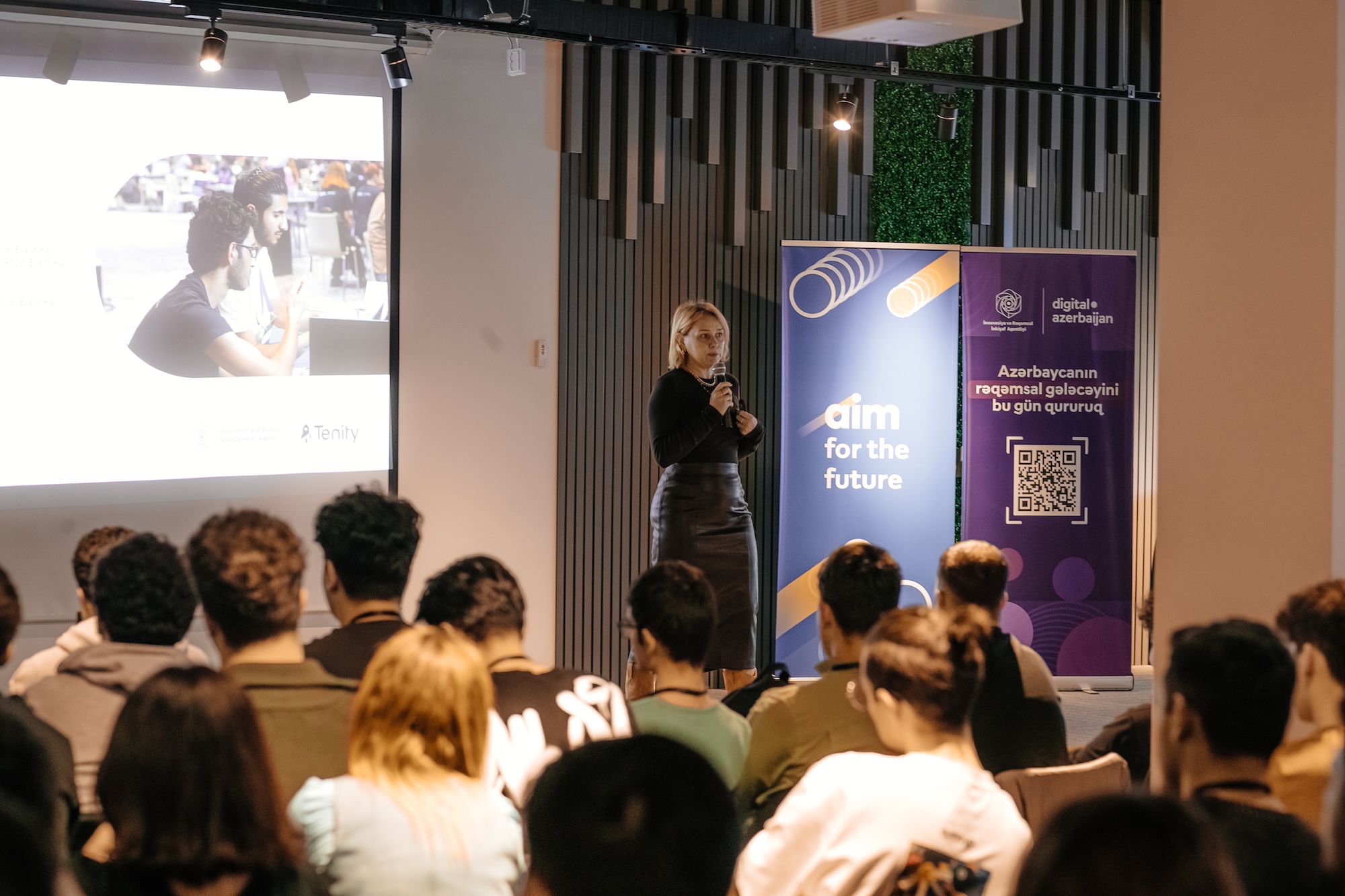
Mentorship was a key pillar across both hackathons.
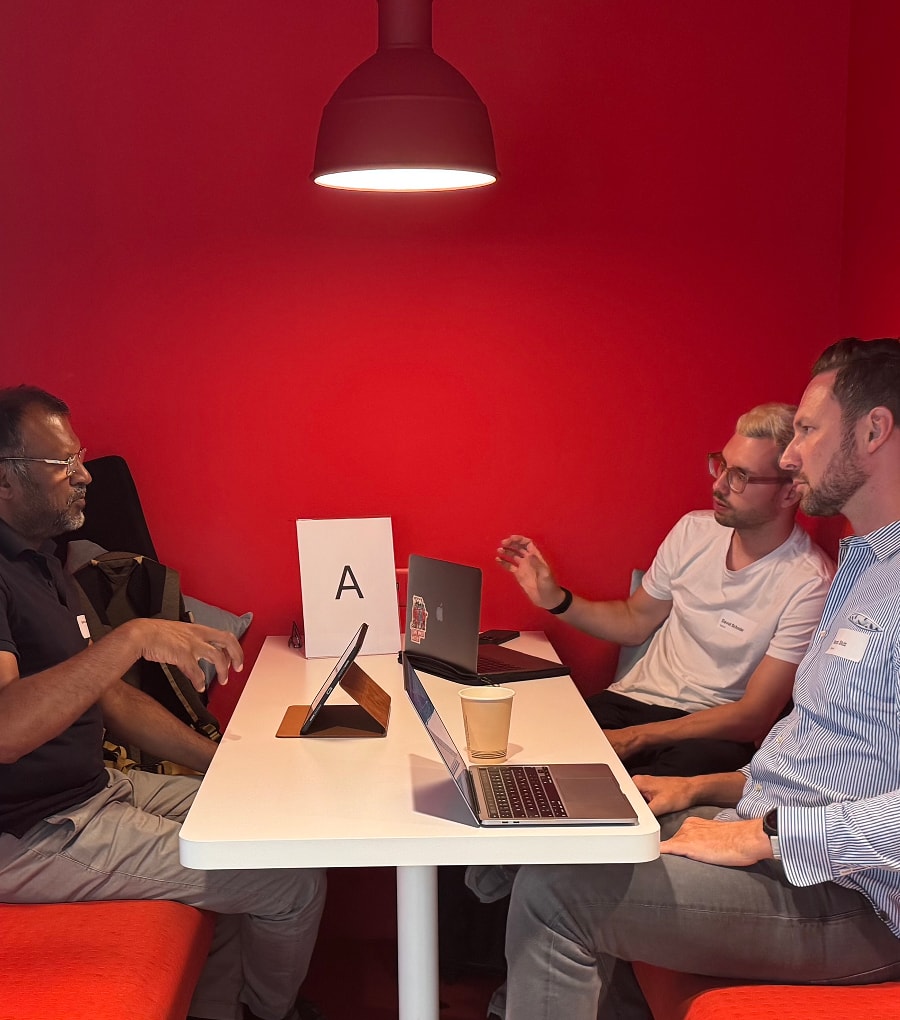
Experts from the IDDA and Tenity ecosystem worked closely with teams throughout the weekends, offering hands-on guidance across product development, user experience, business logic, technical decisions, and pitching.
Rather than providing answers, mentors helped teams ask better questions — challenging assumptions, refining approaches, and supporting faster, more confident decision-making. This balance allowed participants to stay in ownership of their ideas while learning from real-world experience.
Demo Days: Turning Work Into Stories
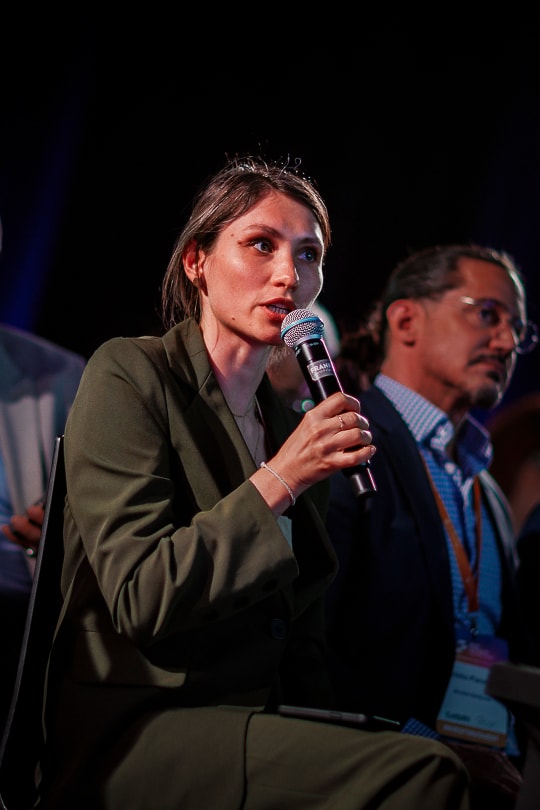
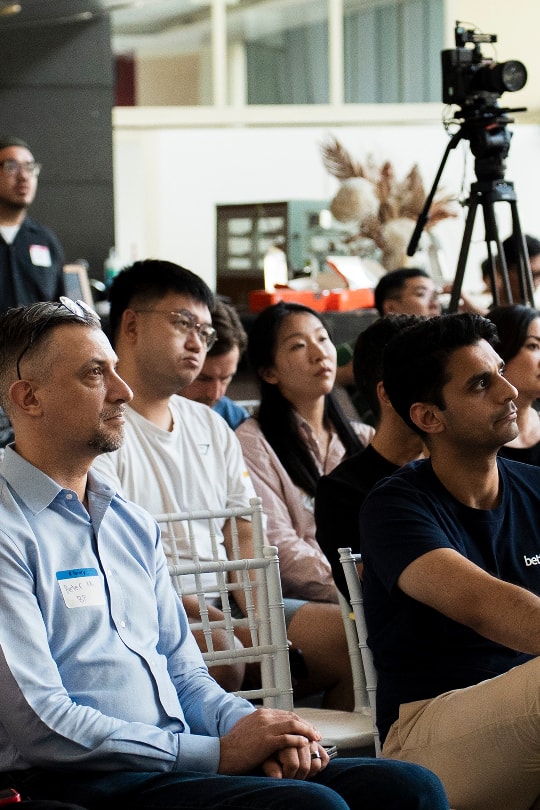
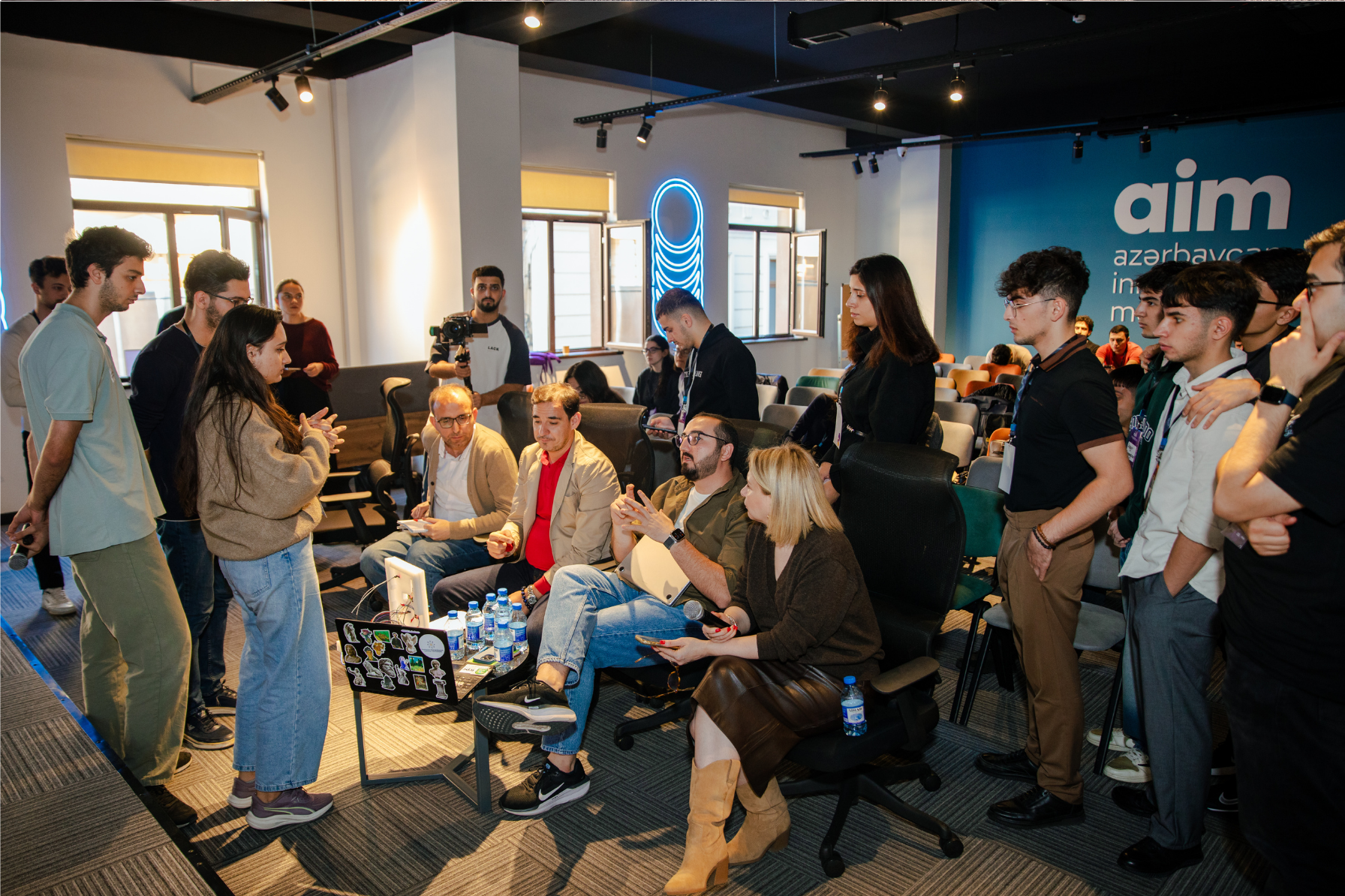
Each hackathon concluded with a Demo Day, bringing teams together to present what they had built in just 48 hours.
Teams walked the jury through the problems they tackled, the solutions they developed, and the progress they made in a limited time frame. Pitches were evaluated based on innovation, feasibility, problem-solution fit, and prototype quality — but Demo Day was about more than rankings.
It was a chance to practice storytelling, receive direct feedback, and experience what it feels like to stand behind a product built under pressure.
Building More Than Products
Across both IDDA Hackathon 1 and 2, participants didn’t just build fintech prototypes.
They built teams, tested themselves in unfamiliar roles, learned to work through uncertainty, and formed connections that extend beyond a single weekend. The diversity of ideas and approaches reflected the growing strength of Azerbaijan’s startup and fintech ecosystem.
Most importantly, the hackathon series created momentum — and a shared experience that now feeds into the next stage of the journey.
What Comes Next: IDDA Incubation Program
While the hackathon weekends are now behind us, the journey continues.
Selected teams will move forward into the IDDA Incubation Program, where they will have the time, structure, and long-term support to further develop their solutions beyond the prototype stage. With deeper mentorship, focused sessions, and continued guidance ahead, the ideas shaped during the hackathons are ready to take their next steps.
A big thank you to all participants, mentors, jury members, and partners who made IDDA Hackathon 1 and 2 possible.
What started as a 48-hour challenge has set the foundation for what comes next.
Stay in our orbit to find out more about IDDA Incubation Program.