Yapı Kredi FRWRD x Tenity: Meet the Startups Taking the Road to DACH





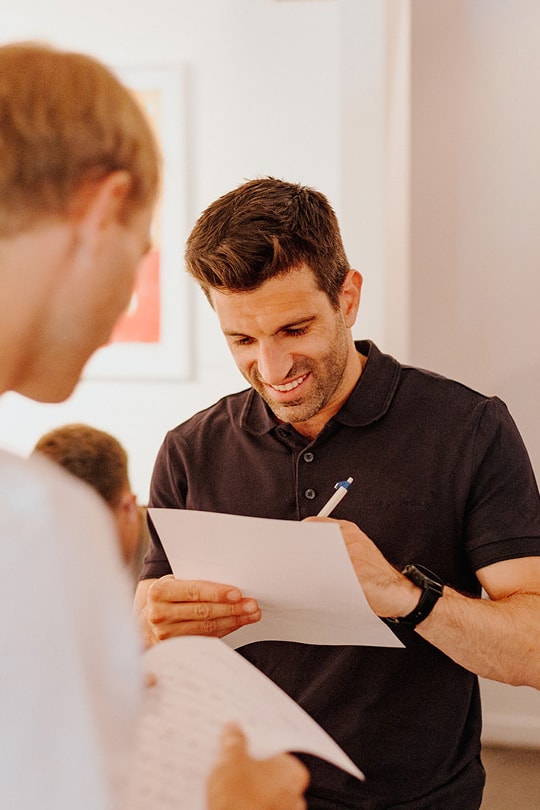
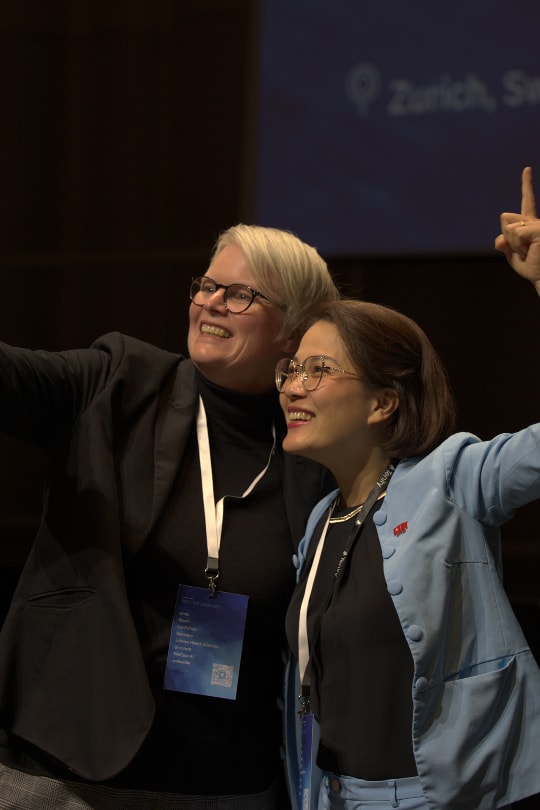



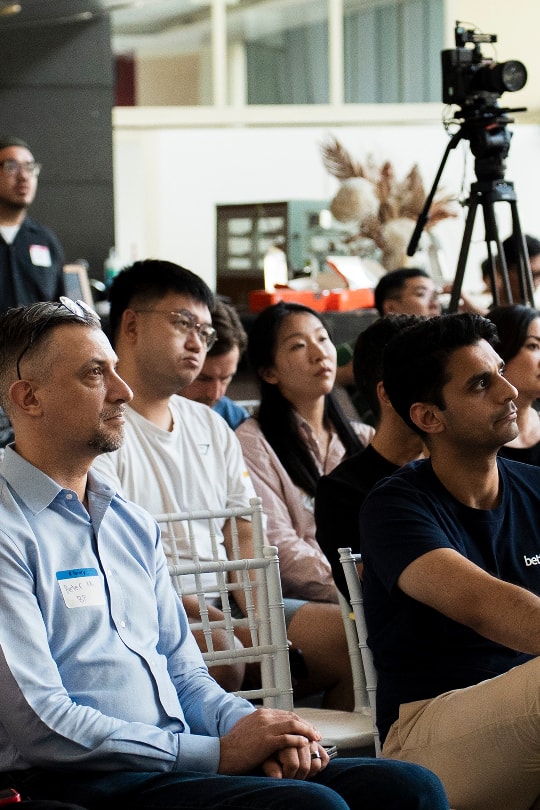




From Applications to the Stage: Looking Back at the IDDA Incubation Program
A four-month journey supporting early-stage fintech startups in Azerbaijan through mentorship, market exposure, corporate connections, and Demo Day.
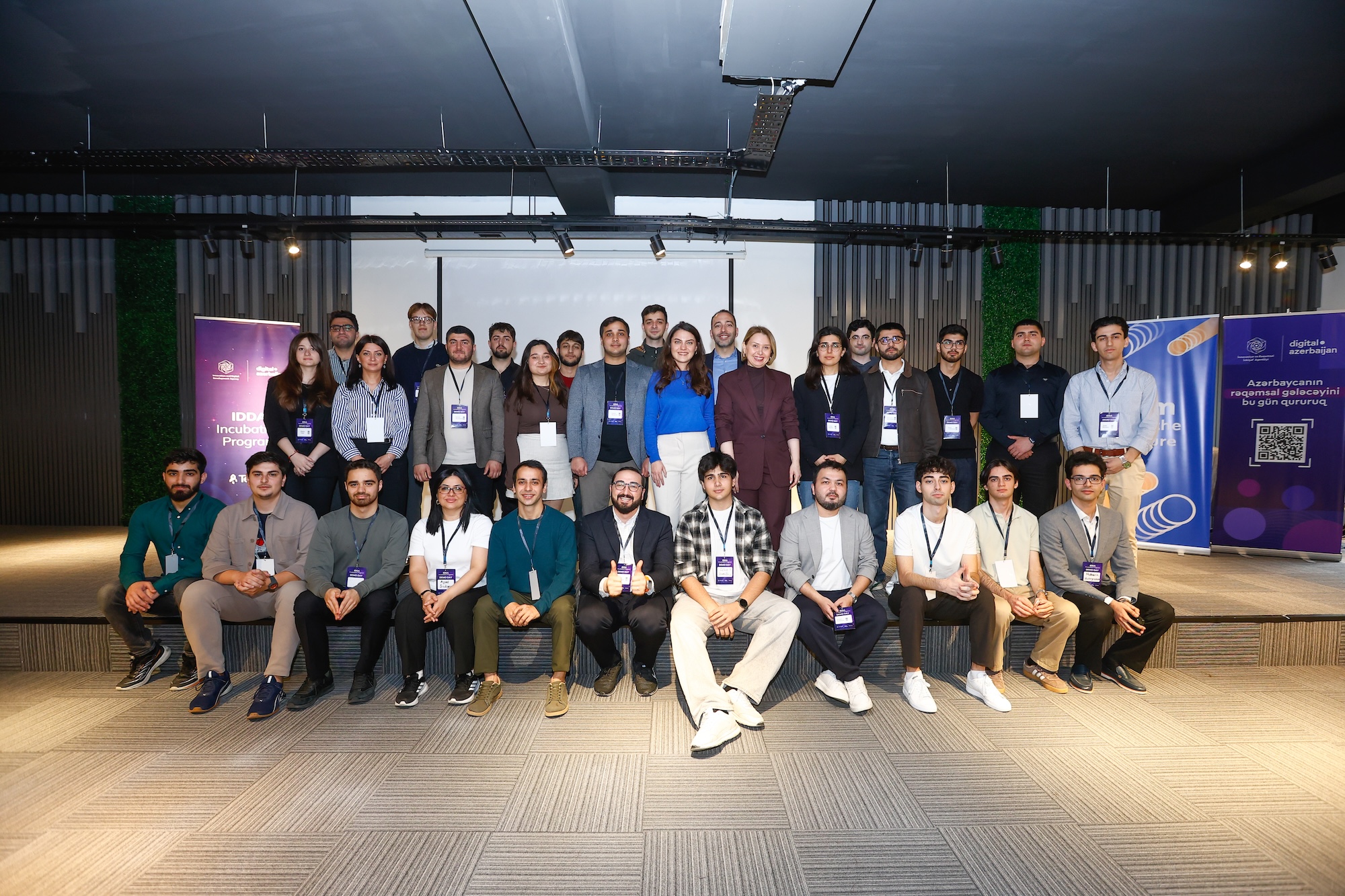
On 16 April, the IDDA Incubation Program came to a close with Demo Day in Baku, bringing together founders, corporates, investors, and ecosystem stakeholders for an afternoon that reflected just how much can happen when the right support, structure, and ambition come together.
Implemented by Tenity in partnership with the Innovation and Digital Development Agency (IDDA), the program was designed to support early-stage startups building in fintech and adjacent technology fields, with a focus on Digital Payments, Open Banking & AI-Powered Services, RegTech & Cybersecurity, Digital Banking & Wealth Management, and Sustainability in Fintech.
What started as an open call became a four-month journey of learning, iteration, and connection. The program opened applications in October 2025, ran its selection process in December, and was structured around onboarding, deep-dive sessions, masterclasses, follow-up mentoring, Corporate Day, VC Day, pitch preparation, and Demo Day. The overall format combined in-person sessions with online follow-ups to give founders both hands-on support and continuity throughout the program.
A Strong Pipeline of Founders
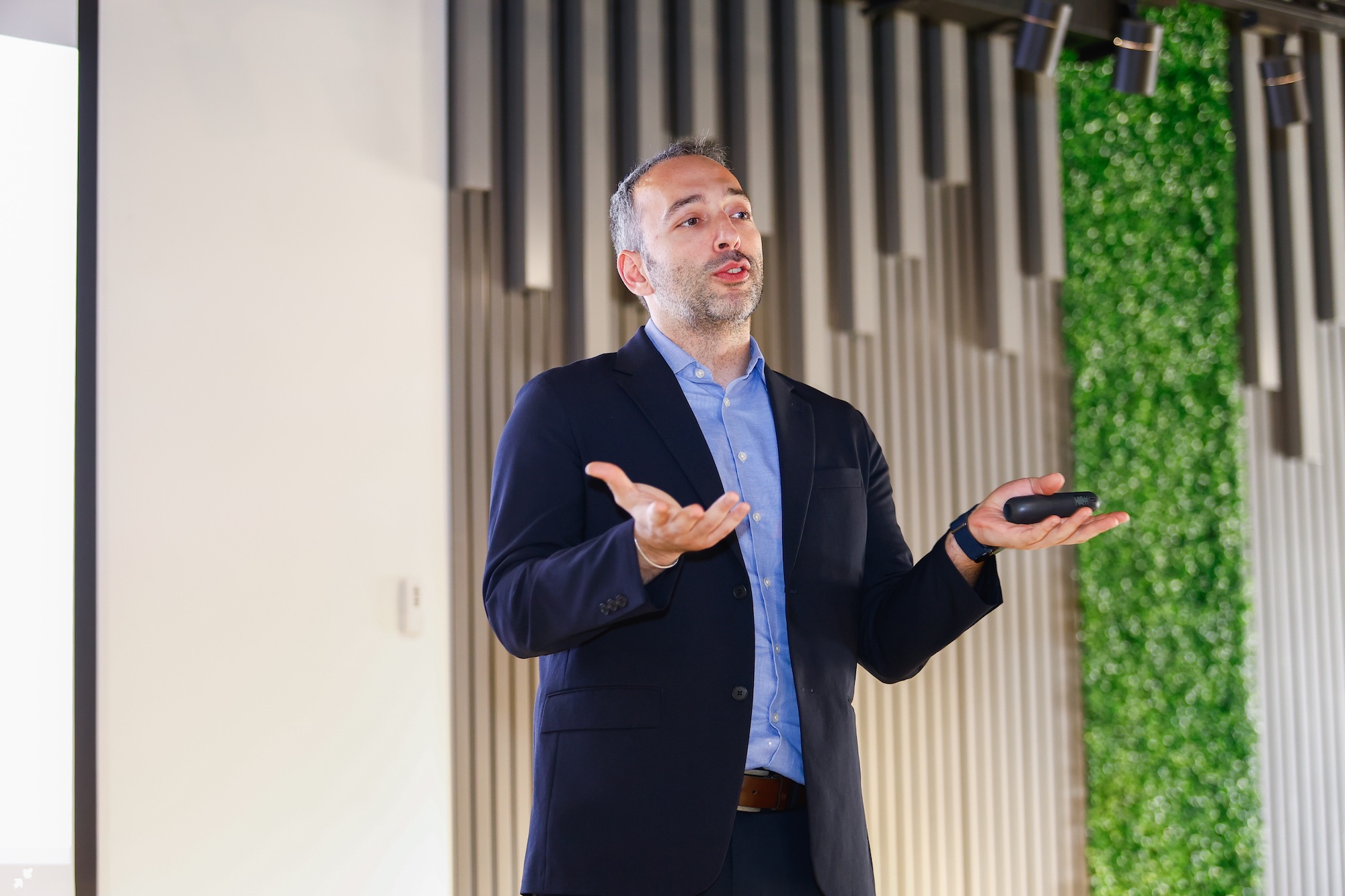
The response to the program showed strong interest from both local and international founders. In total, the IDDA Incubation Program received 125 applications from 15 countries. From this pool, 20 startups were selected to join the program, including 6 teams that came through the hackathons. By the end of the journey, 11 alumni startups took the stage at Demo Day to present their solutions.
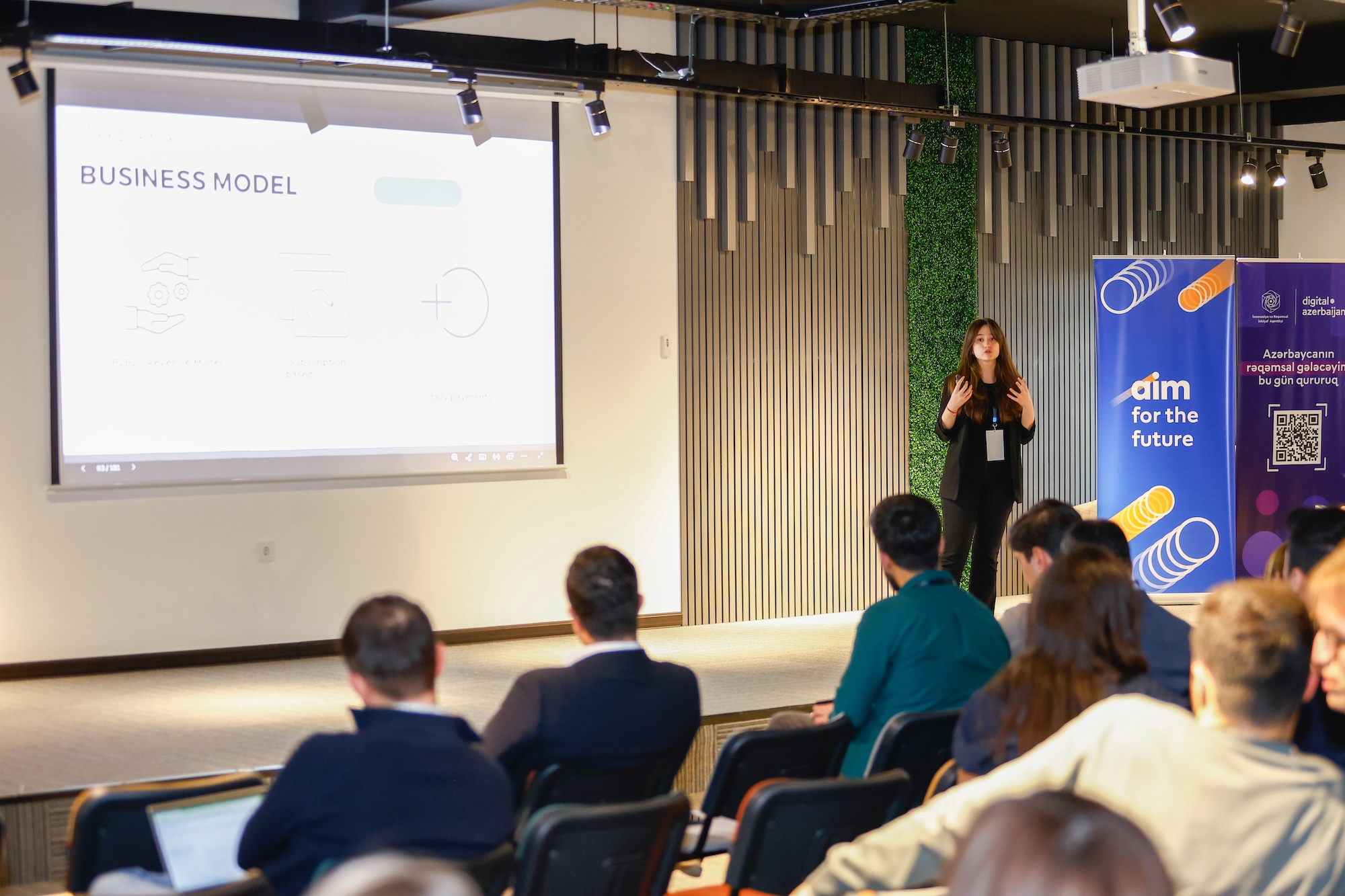
The startups presenting at Demo Day were: AutoHelp, Cash to Zero, DeepSense, FisoPay, InsureTech, LOOYT, RiskCalibra, SAVAI, Smart Counter, StarLabs, and TezKech. Their presence on stage marked more than the end of the program. It was a clear reflection of the quality of founders emerging from the ecosystem and the progress they made over a concentrated period of support.
Building the Program Around Real Startup Needs
The IDDA Incubation Program was designed to be practical from the start. Early sessions focused on onboarding, startup deep dives, action plans, Lean Startup Canvas, idea validation, and MVP prototyping. As the program progressed, founders also worked on market fit, customer development, pricing and revenue models, market entry strategy, team building, sales traction, branding, pitching, and live product and pitch war games. Corporate Day, VC Day, Demo Day rehearsals, and exit interviews rounded out the journey.
Alongside this structure, the program delivered:
- 16 masterclasses
- Trainers from Spain, the Netherlands, the UK, Türkiye, and Azerbaijan
- 130+ hours of mentorship sessions
- A dedicated session with the Central Bank of the Republic of Azerbaijan
- $180,000 in credits provided to local startups through AWS, Microsoft, and OpenAI
These elements gave founders more than theoretical exposure. They were able to test ideas, receive practical feedback, sharpen their positioning, and build stronger foundations for growth.
A First for the Ecosystem: Corporate Day in Azerbaijan
One of the standout milestones of the program was the first Corporate Day of Azerbaijan.
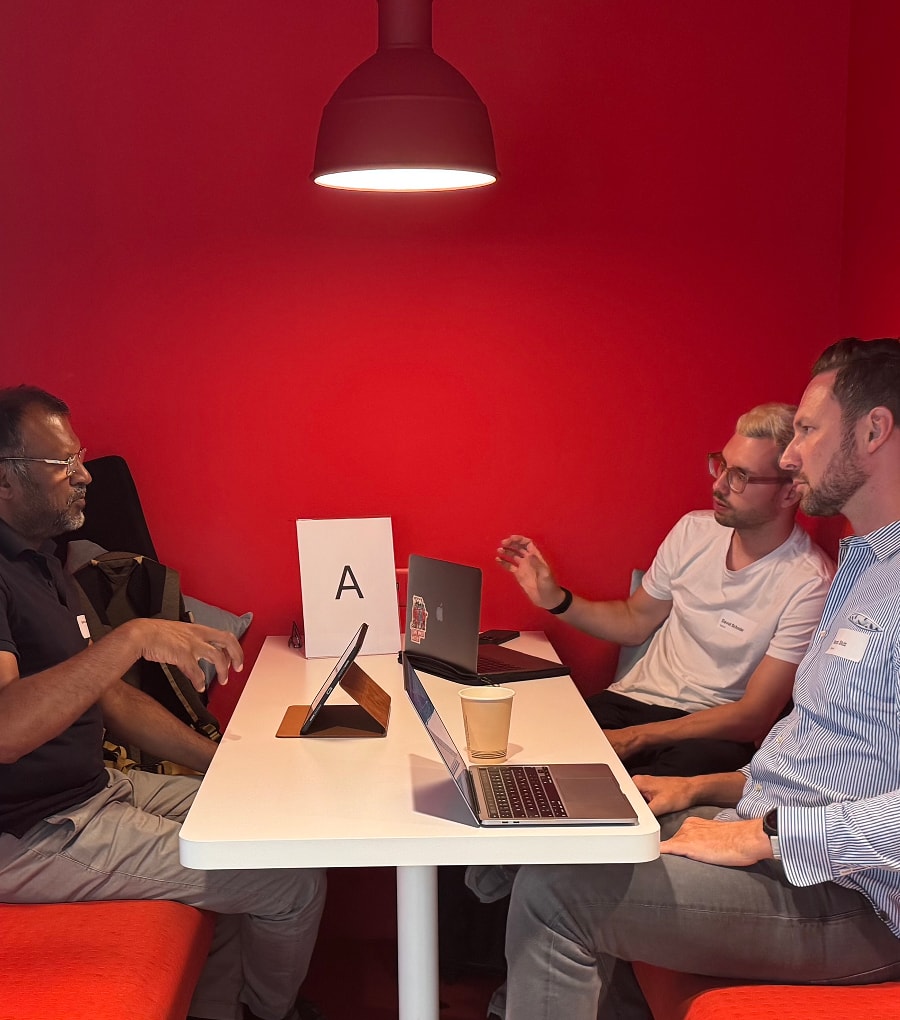
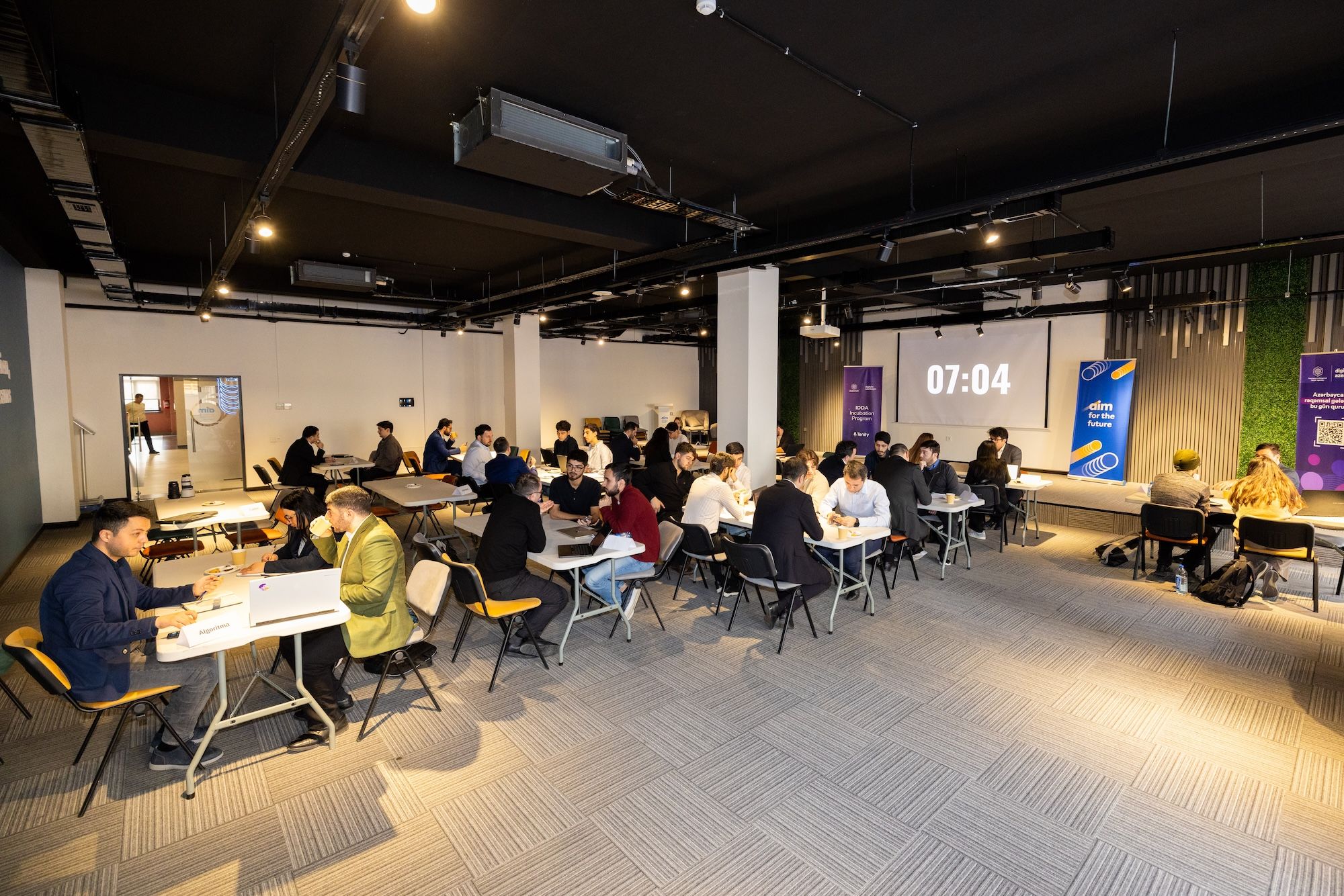
Designed as a space for direct startup-corporate interaction, Corporate Day gave founders the chance to sit down with established ecosystem players, explore collaboration opportunities, and receive actionable feedback from institutions working at the centre of financial services and innovation.
Attending companies included ABB Innovation, AFB Bank, algoritma, a-solutions, Azerbaijan Bank Association, AzWallet, Bank Respublika, Goldenpay, PASHA Bank, RabitaBank, and TuranBank. The initiative was also supported by the Azerbaijan Bank Association and the Azerbaijan Fintech Association.
This part of the program mattered because it brought startups closer to the market. It created room for real conversations around partnerships, problem-solving, and potential pathways to pilot opportunities.
Demo Day as a Milestone, Not an Endpoint
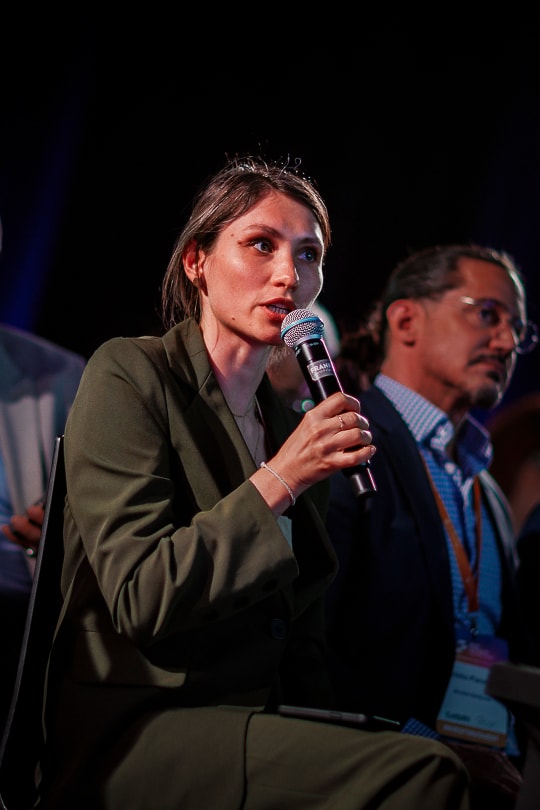
Demo Day brought all of these pieces together. After months of workshops, mentoring, follow-up sessions, rehearsals, and ecosystem engagement, the founders stepped onto the stage to pitch their progress live. The event brought together investors, corporates, partners, and members of the wider innovation community to celebrate the end of the program and the beginning of what comes next. Internal program materials positioned Demo Day as the public showcase at the end of the four-month journey, following the application period, selection day, and deep-dive phases.
What stood out most was not only the quality of the pitches, but the range of ideas being developed across the cohort and the level of engagement around them. From fintech infrastructure to AI-enabled services, the startups demonstrated both relevance to market needs and readiness to keep building.
Looking Ahead
The IDDA Incubation Program was built to help early-stage founders move from raw potential to a more validated, better-supported stage of company building. Through a combination of structured training, tailored mentorship, institutional exposure, and access to Tenity’s broader network, the program created a space where startups could make meaningful progress in a relatively short period of time. Program materials described this support model as a four-month journey helping early-stage fintech startups grow from prototype to scalable business through mentorship, hands-on training, and investor access.
For Tenity and IDDA, the program was also about something larger: contributing to the development of Azerbaijan’s startup ecosystem by creating stronger links between founders, corporates, institutions, and international know-how.
And while Demo Day marked the end of this edition, it also made one thing clear: there is real strength taking shape in the ecosystem, and a new generation of founders is ready to build on it.