
From weekend challenge to real venture: SwissHacks 2026 is back

















From banks to blockchain: Why the future of trading is digital
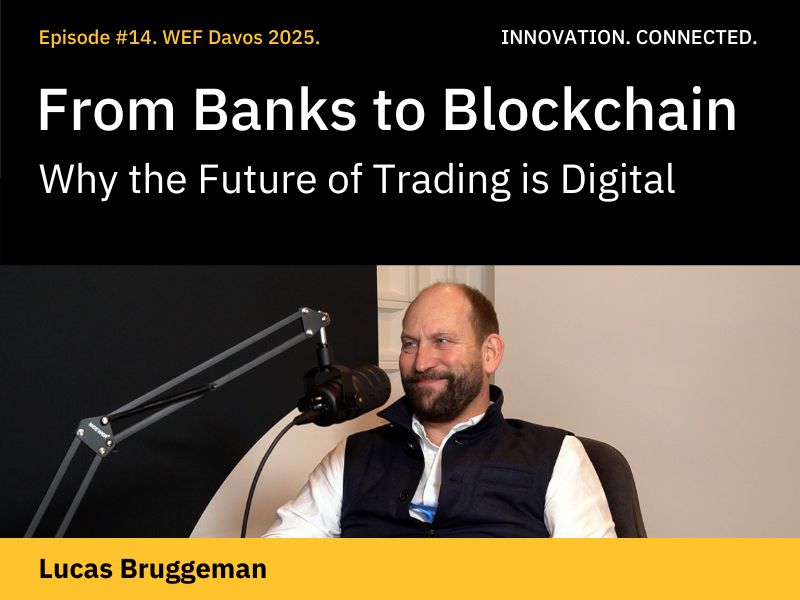
The financial world is undergoing a seismic shift. With tokenization, blockchain technology, and decentralized finance (DeFi) transforming traditional markets, the future of trading is digital. At the World Economic Forum in Davos, Max Planck sat down with Lucas Bruggeman, CEO (BX Swiss Exchange) and Chairman (BX Digital), to discuss how capital markets are adapting to these new realities.
This article explores key insights from the conversation, including the rise of DLT-powered exchanges, the growing role of neobanks, and how Switzerland is leading the charge in regulatory innovation.
The tokenization of capital markets
One of the most significant trends reshaping financial markets is tokenization—the process of converting real-world assets into digital tokens on a blockchain.
Tokenization is changing how assets are traded, allowing for greater liquidity, transparency, and efficiency. BX Swiss is at the forefront of this shift, building a secondary marketplace for tokenized assets to facilitate seamless transactions.
“The future will be tokenized, in my view.”
Why tokenization matters
- Faster settlements: Traditional financial transactions often take days to clear. Tokenized assets enable instant or near-instant settlement, reducing friction in capital markets.
- Lower costs: By eliminating intermediaries like Clearstream and Euroclear, tokenized trading significantly reduces transaction costs. (00:05:40)
- Broader access: Tokenization opens up investment opportunities to a wider audience, including retail investors, who previously faced high entry barriers.
“We are building the settlement infrastructure on the public blockchain, where peer-to-peer transactions will become the norm. We see a world where any asset can be traded seamlessly on digital platforms, making financial markets more inclusive and efficient “
Neobanks vs. traditional banks: The new battleground
The banking landscape is evolving, and neobanks—digital-first financial institutions—are emerging as key players in modern trading ecosystems. BX Swiss is actively working with neobanks and modern brokers to create a more transparent and cost-effective trading environment.
The role of neobanks in financial innovation
- Democratizing Investment: Platforms like N26, Revolut, and Neon make investing accessible to retail users by removing unnecessary fees and offering user-friendly experiences.
- Speed and Flexibility: Unlike traditional banks burdened by legacy infrastructure, neobanks integrate faster, more agile trading platforms.
- Market Expansion: With neobanks catering to a new generation of investors, stock exchanges must adapt to serve this growing demand for seamless digital trading.
“We are particularly focused on neobanks and modern brokers, banks with less legacy, a little bit quicker, more modern. Neobanks are changing the game by making investing more accessible and lowering the barriers to entry”.
Switzerland’s competitive advantage in digital assets
Switzerland has positioned itself as a global hub for blockchain innovation and digital finance. Thanks to progressive regulation, the country is attracting major financial players looking to bridge traditional markets with digital assets.
Key regulatory advantages
- DLT Law: Switzerland was one of the first countries to introduce legislation supporting distributed ledger technology (DLT) in capital markets.
- MiCA Compliance: The Markets in Crypto-Assets (MiCA) regulation is shaping digital asset oversight across Europe. BX Swiss is already MiCA-compliant, giving it a competitive edge in crypto trading.
- Institutional Trust: Switzerland’s stable financial ecosystem provides a secure regulatory framework for innovation, ensuring investor confidence.
“Switzerland’s regulatory landscape is paving the way for tokenized markets. Regulation is crucial. It provides the trust and security that institutional investors need to enter the digital asset space”
The rise of Crypto exchanges in Europe
BX Swiss is part of the Stuttgart Stock Exchange Group, one of the largest crypto-focused financial institutions in Europe. Despite its size, many investors are unaware of its leading role in digital assets.
The growth of digital asset trading in Europe
- 500,000+ registered users: BX Swiss’ Bison app has amassed nearly a million registered users in Germany alone.
- Secure Crypto trading: Unlike unregulated platforms, BX Swiss provides a fully compliant, institutional-grade trading experience.
- Bridging traditional finance & DeFi: By integrating crypto into regulated exchange environments, BX Swiss is helping traditional banks enter the digital asset space.
“We are the stock exchange group in Europe with the largest crypto business. Crypto adoption is no longer a niche movement; it’s becoming part of the mainstream financial system.”
Why more Swiss companies should go public
Despite Switzerland’s thriving financial ecosystem, only 300 Swiss companies are publicly listed, compared to thousands in Sweden.
The challenges of public listings in Switzerland
- Regulatory complexity: Many SMEs hesitate to list publicly due to compliance burdens and reporting requirements.
- Lack of investor awareness: Unlike Sweden, where retail investors actively support local businesses, Swiss investors tend to be less engaged.
- The role of tokenization: With BX Swiss’ upcoming token exchange, listing could become easier for growth-stage Swiss companies.
“I think it’s a shame that there are not more publicly available companies. Swiss companies have incredible potential, but they need the right incentives to go public.”
The future of trading: Key takeaways
The intersection of blockchain, tokenization, and digital finance is reshaping capital markets.
Here’s what’s next:
✅ Decentralized settlements will become the norm – Blockchain-based peer-to-peer trading will replace outdated intermediaries.
✅ Neobanks & Fintechs will drive market innovation – Digital-first platforms will shape how the next generation of investors trade.
✅ Crypto & traditional finance will converge – Institutional adoption of digital assets will grow as regulation evolves.
✅ Tokenization will expand public market access – Swiss SMEs and startups will benefit from easier listing options.
Final Thoughts
The future of trading is digital. As financial institutions embrace blockchain, tokenization, and regulatory innovation, capital markets will become more efficient, transparent, and accessible. Switzerland, with its forward-thinking approach, is leading the way.
For more insights into fintech investment trends, corporate venture capital, and startup growth strategies, subscribe to Innovation. Connected – World Economic Forum Davos 2025 Edition.
🎧 Listen all the episodes on Spotify
📺 Watch full episodes on YouTube